
 home
home
 Published: Jun 03, 2026 08:41 PM
 Page View: 158
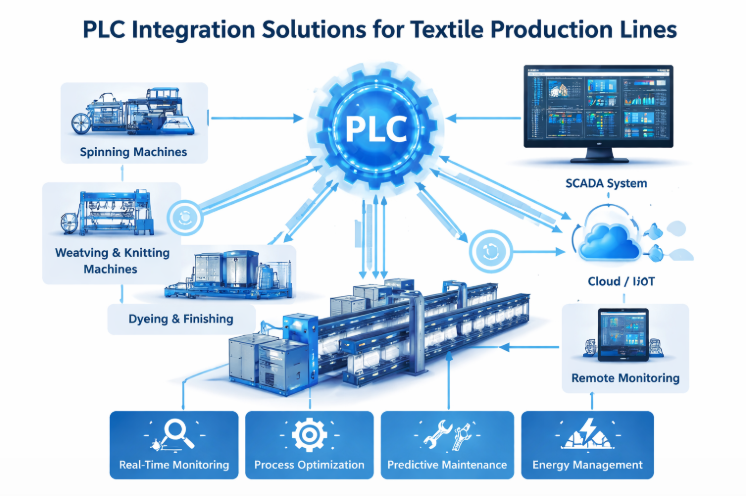
As the global textile industry continues its transformation toward smart manufacturing, automation technologies have become essential for maintaining productivity, quality, and competitiveness. Among these technologies, Programmable Logic Controllers (PLCs) play a critical role in integrating and coordinating textile production processes. From spinning and weaving to dyeing and finishing, PLC integration solutions help manufacturers achieve higher efficiency, reduced downtime, and improved product consistency.
Modern textile production lines involve numerous machines and processes operating simultaneously. Without effective automation and centralized control, manufacturers often face challenges such as production bottlenecks, inconsistent quality, excessive energy consumption, and costly maintenance issues. PLC integration offers a comprehensive solution by connecting equipment, monitoring production data, and enabling real-time process control.
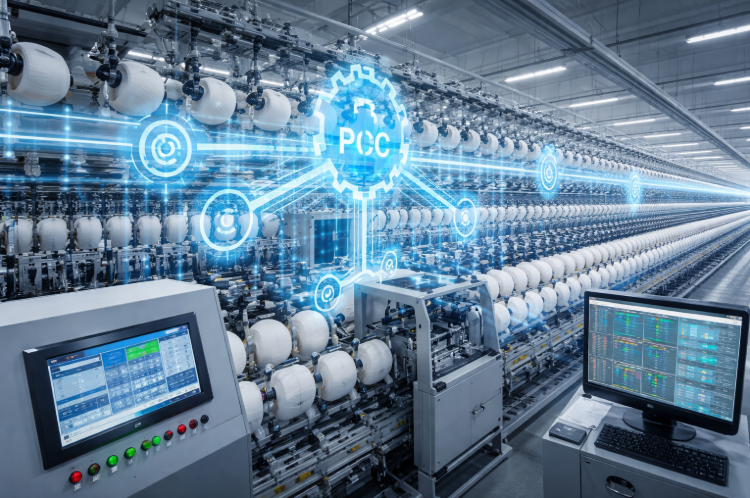
Textile factories are under increasing pressure to meet market demands for high-quality products, shorter delivery times, and sustainable operations. Traditional manual control systems are no longer sufficient for managing complex production environments.
Many textile plants operate hundreds of motors, sensors, drives, and actuators throughout their facilities. Coordinating these devices manually can lead to inefficiencies and increased risk of human error. PLC-based automation systems provide a reliable platform for managing these operations while ensuring consistent performance across the production line.
The adoption of Industry 4.0 technologies has further accelerated the demand for integrated PLC solutions. Manufacturers now require intelligent systems capable of collecting production data, supporting predictive maintenance, and enabling remote monitoring.
PLC systems are widely used throughout various stages of textile manufacturing.
In spinning mills, PLCs control critical processes such as fiber feeding, drafting, twisting, and winding. By monitoring sensor feedback and adjusting machine parameters automatically, PLCs help maintain yarn quality and reduce material waste.
Integrated PLC systems can also synchronize multiple spinning machines, ensuring uniform production across the facility.
Weaving and knitting operations require precise coordination of motors, tension control systems, and material handling equipment. PLCs manage machine speed, fabric tension, pattern selection, and fault detection.
Advanced PLC solutions can communicate with servo drives and variable frequency drives (VFDs), enabling accurate motion control and improved production flexibility.
Temperature, pressure, chemical dosage, and processing time are critical factors in textile dyeing and finishing. PLC-based control systems continuously monitor these parameters and make automatic adjustments when necessary.
This level of control improves color consistency, reduces chemical consumption, and minimizes product defects.
Automated conveyors, robotic transport systems, and warehouse equipment can all be integrated through PLC networks. These systems streamline material movement throughout the factory and reduce labor requirements.
Real-time tracking of raw materials and finished products also improves inventory management and production planning.
One of the primary advantages of PLC integration is increased operational efficiency. Automated control eliminates many repetitive manual tasks and enables machines to operate at optimal performance levels.
Production schedules can be executed more accurately, reducing delays and increasing overall throughput.
Consistency is essential in textile manufacturing. PLC systems continuously monitor process variables and make real-time adjustments to maintain product specifications.
As a result, manufacturers experience fewer defects, reduced rework, and higher customer satisfaction.
Unexpected equipment failures can significantly impact production output. Modern PLC systems support diagnostic functions that help identify potential issues before they become critical.
Maintenance teams receive alerts when abnormal conditions are detected, allowing preventive action to be taken before a machine failure occurs.
Energy consumption represents a major operating expense for textile manufacturers. PLC integration enables intelligent control of motors, pumps, compressors, and heating systems.
By optimizing equipment operation and eliminating unnecessary energy usage, factories can achieve substantial cost savings while supporting sustainability initiatives.
Integrated PLC systems provide access to valuable production data. Operators and managers can monitor machine performance, production rates, energy consumption, and maintenance status from centralized control stations.
This visibility supports informed decision-making and continuous process improvement.
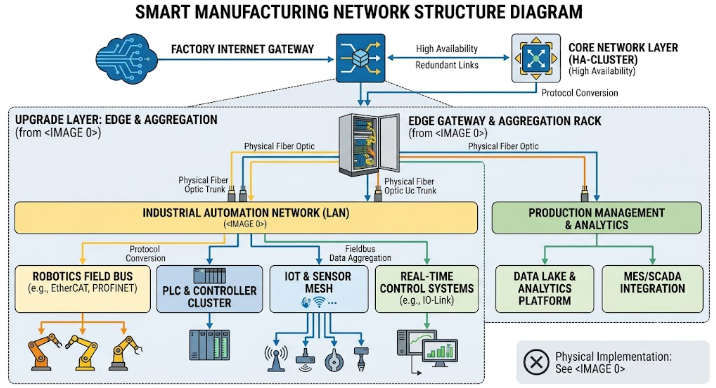
Modern textile facilities often combine PLC systems with Supervisory Control and Data Acquisition (SCADA) platforms. This integration creates a powerful automation architecture capable of managing entire production facilities.
SCADA software provides graphical visualization of production processes, alarm management, historical data logging, and reporting functions. Operators can quickly identify issues and respond to changing production conditions.
Industrial communication protocols such as Modbus TCP, Profinet, EtherNet/IP, and EtherCAT enable seamless connectivity between PLCs, drives, sensors, and higher-level management systems.
These communication networks facilitate real-time data exchange and support advanced manufacturing strategies.
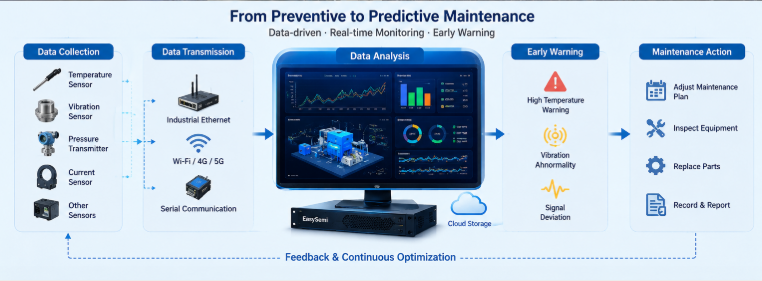
Predictive maintenance has become an important component of smart textile manufacturing. PLC systems collect operational data from machinery, including vibration levels, motor currents, temperatures, and operating hours.
This information can be analyzed to identify trends that indicate potential equipment deterioration. Maintenance activities can then be scheduled based on actual machine condition rather than fixed intervals.
The result is reduced maintenance costs, fewer unexpected breakdowns, and improved equipment reliability.
As industrial automation technologies continue to evolve, textile manufacturers are adopting increasingly sophisticated PLC solutions.
Artificial intelligence, machine learning, industrial Internet of Things (IIoT), and cloud-based analytics are expanding the capabilities of traditional PLC systems. Future production lines will feature greater connectivity, autonomous decision-making, and enhanced production optimization.
Digital twins and real-time simulation technologies are also expected to play a growing role in textile manufacturing. These tools enable engineers to evaluate process changes and optimize production performance before implementing modifications on the factory floor.
Manufacturers that invest in advanced PLC integration today will be better positioned to adapt to future technological developments and changing market demands.
PLC integration solutions have become a cornerstone of modern textile production lines. By connecting machinery, automating processes, and providing real-time operational intelligence, PLC systems help manufacturers improve efficiency, quality, and profitability.
As the textile industry continues its digital transformation, integrated PLC platforms will remain essential for achieving smart manufacturing objectives. Companies seeking to enhance production performance and maintain long-term competitiveness should consider comprehensive PLC integration strategies as part of their automation roadmap.
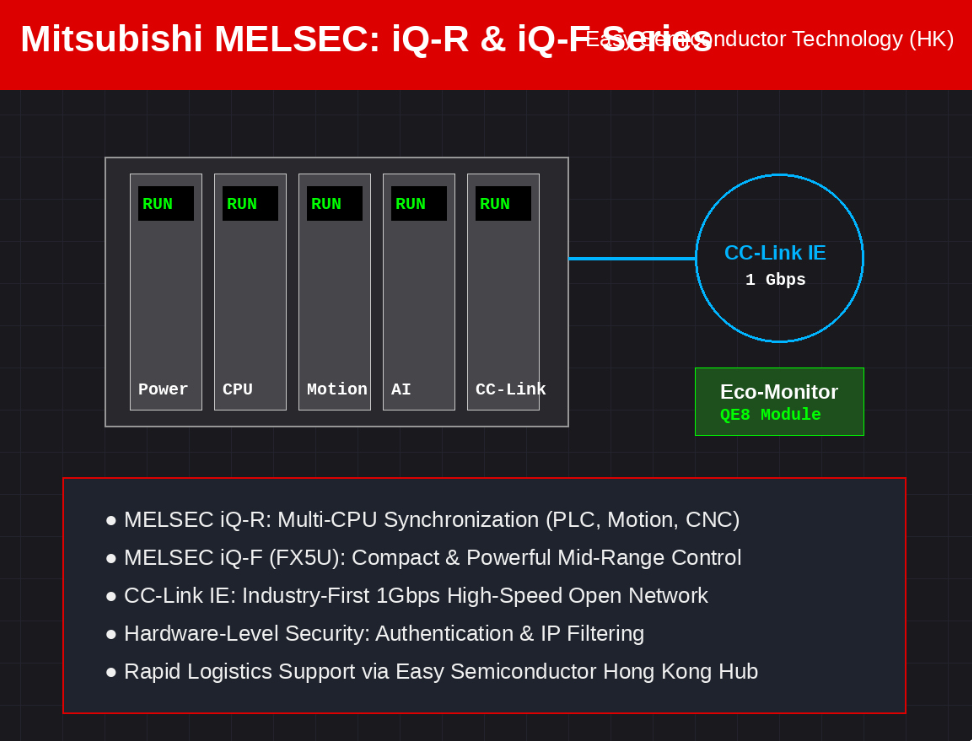
Easy Semiconductor Technology (Hong Kong) Limited continues to support industrial customers with high-quality automation components and solutions that enable reliable, efficient, and future-ready manufacturing operations across the textile sector.